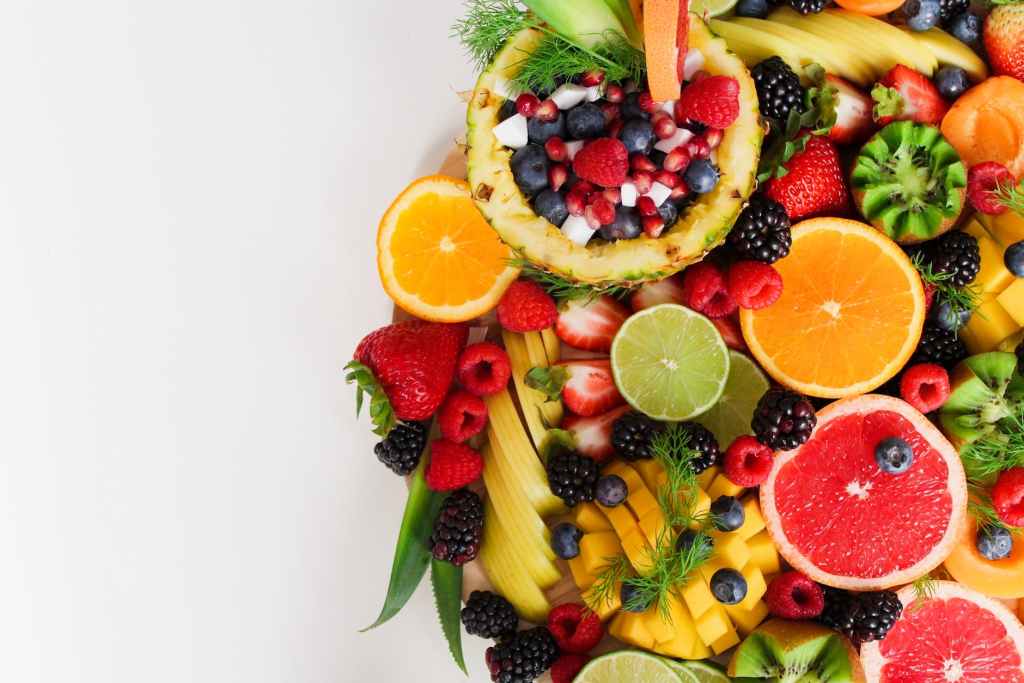
Losing weight is a concern for many people. Besides improving your style, there are other health benefits such as
Reduced risk of cardiovascular disease: Obesity is a risk factor for cardiovascular disease, and losing weight can reduce the risk of developing cardiovascular disease.
Decreased risk of diabetes: obesity may increase the risk of developing diabetes, and weight loss can decrease the risk of diabetes.
Improved hypertension: obesity is a risk factor for hypertension, and losing weight can improve hypertension.
Reduce joint pain: Obesity puts a strain on joints and can cause joint pain. Losing weight can reduce joint pain.
Improve sleep apnea: Obesity can increase the risk of developing sleep apnea, and weight loss can improve sleep apnea.
However, simple calorie restriction is stressful and not easy. In this situation, a 2020 systematic review and meta-analysis reported that dietary fiber intake has a weight-loss effect independent of caloric restriction.
This study investigates the effects of dietary viscous fiber on weight loss, BMI, waist circumference, and body fat. The study analyzed 62 trials, totaling 3,877 participants, and found that consumption of viscous fiber resulted in a modest reduction in body weight, BMI, and waist circumference, independent of caloric intake. Weight loss appeared to be more pronounced in overweight individuals and in those with diabetes or metabolic syndrome.
Low fiber intake is a problem for people today. Adults should consume at least 20 g of fiber per day.
The AICR recommends a fiber intake of 30 g per day (2018). Of course, weight loss is more effective if you watch your calories, but fiber-rich foods help you feel fuller, so be sure to include whole grains, fruits, vegetables, and legumes.
Jovanovski E, Mazhar N, Komishon A, Khayyat R, Li D, Blanco Mejia S, Khan T, L Jenkins A, Smircic-Duvnjak L, L Sievenpiper J, Vuksan V. Can dietary viscous fiber affect body weight independently of an energy-restrictive diet? A systematic review and meta-analysis of randomized controlled trials. Nutr. 2020 Feb 1;111(2):471-485. doi: 10.1093/ajcn/nqz292. PMID: 31897475.
 もっちょブログ
コメントを残す